

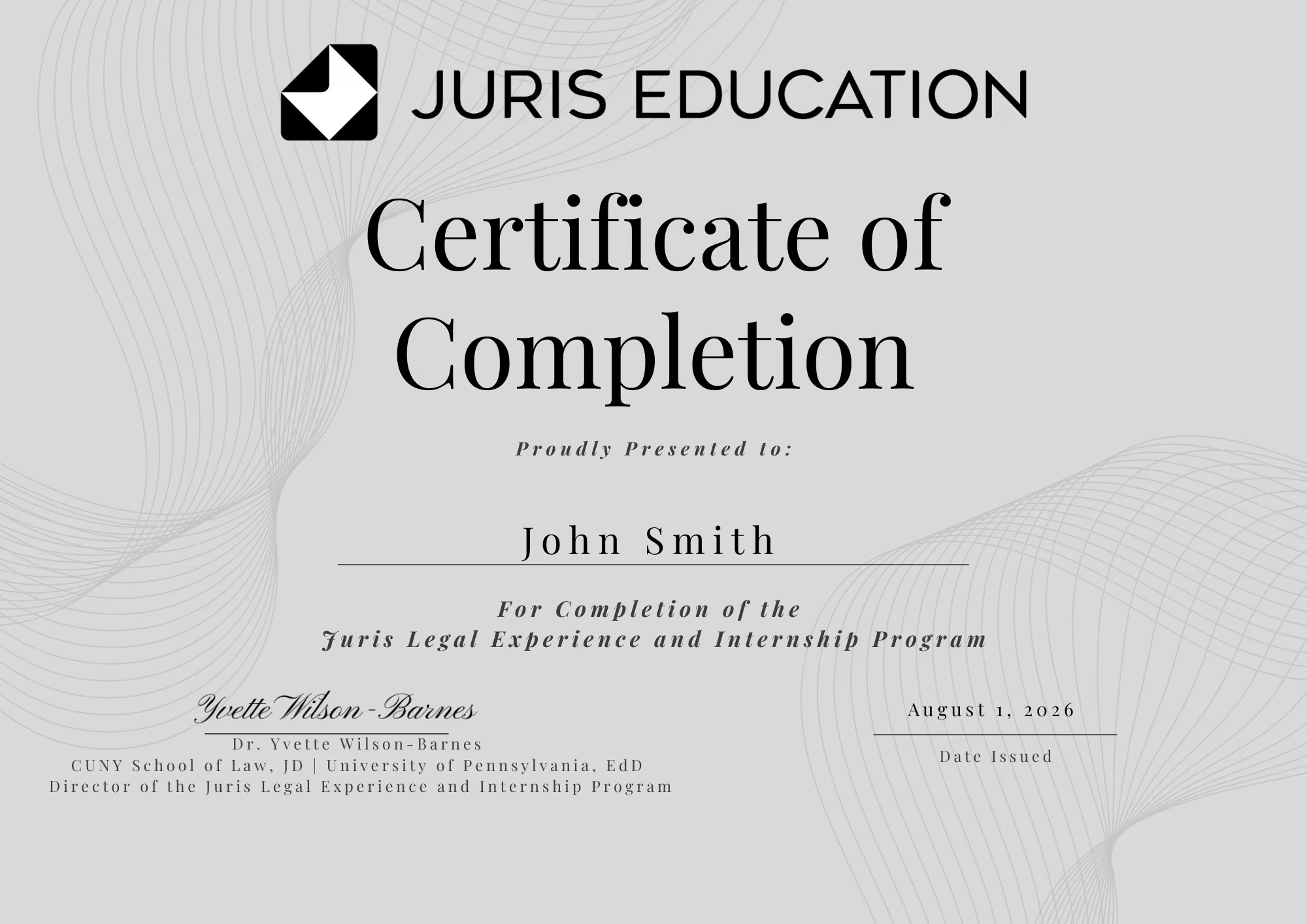
An Official Certificate of Completion
You will receive a virtual Certificate of Completion from Juris Education confirming you have successfully completed the program and can add it to certifications on your pre-law resume.

















Begin with an introduction to the legal profession, exploring what lawyers do, where they work, and what draws you to litigation and advocacy.
Get grounded in the case you'll work throughout the program, and learn the pre-suit steps a claim may need to clear before a lawsuit begins.
Turn the case into a lawsuit by drafting the complaint, the first document that frames the case and translates legal claims into facts.
Switch sides to see how the defense responds, from the answer and its affirmative defenses to a motion to dismiss.
Enter discovery and draft the questions and document demands that uncover the facts a case really turns on.
Prepare for the pivotal moment of most cases by building a deposition outline, mastering the funnel technique, and unlocking witness testimony.
Take a live mock deposition, questioning a witness under oath and practicing skills such as listening closely, following up, and knowing when to stop.
Face summary judgment, the motion that ends most cases, and learn to marshal the evidence to show that a jury must decide the verdict.
Step into mediation, where the overwhelming majority of cases actually end, and learn to value a case and negotiate a settlement on your client's behalf.
Prepare for trial by sharpening the story the case will tell and shaping what the jury is allowed to hear.
Write and deliver your opening statement, the jury's first and most lasting impression, and learn to tell a compelling story within the rules.
Deliver your closing argument, tie the evidence together, and learn how a trial resolves.
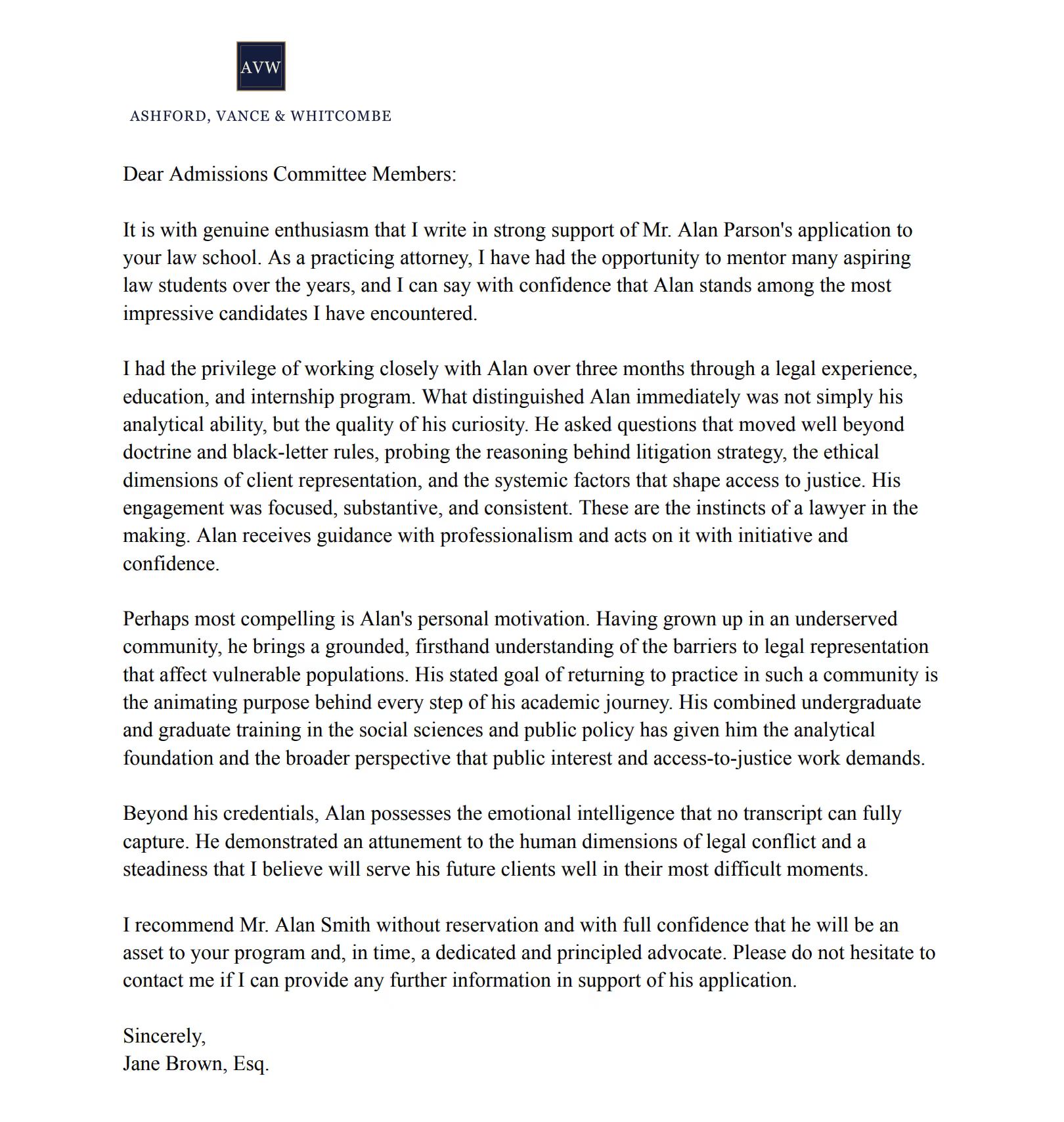
Present your portfolio of work, reflect on the program, and shape your tailored recommendation letter and next steps for law school.

.svg)
