Get in touch: +1 888 904 4161


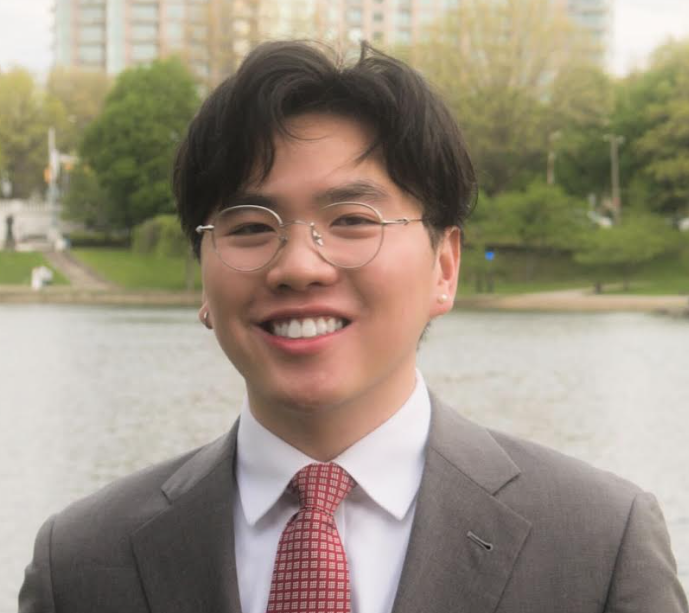
Alan Ly is the President of Case Western Reserve University Mock Trial.
Joining Case Mock Trial as a freshman, I felt inspired and supported by the student leadership in the program. Beyond teaching me how to write an opening statement and argue objections, the upperclassmen gave advice on things like what classes to take, where to apply for jobs, and were always willing to just hang out. As I eventually became the one with advice and tips to pass down, I realized I wanted to give back to the organization that helped me so much. Pursuing leadership felt like a way to both help new members the same way I was supported and help steer the program toward competitive success all while maintaining a welcoming environment.
One of the biggest selling points of Mock Trial is getting to practice public speaking. After getting down the basics like speaking clearly and confidently, the fun part is developing your personal style. Practicing things like movement, facial expressions, tone/volume variation, and creative hand gestures is what can really take a competitor to the next level. After a while, the parts you write will be completely and utterly you, and no one will be able to perform them the way you can. However, the best mock trial parts often come from things you don’t write or prepare. A key skill is learning how to listen actively and think on your feet, whether that’s responding to objections or handling pushback on cross-examination.
But at the end of the day, the most important thing you will take away from mock trial are the relationships you make. You will build relationships with coaches and be close friends with your teammates, as well as gain a broader network of competitors, attorneys, and judges. This stems from the fact that Mock Trial is inherently a team activity. My favorite practices are at the start of the season when the team sits down together and figures out what theory we want to pursue, pitching ideas and pointing out weaknesses in different stories. Learning how to collaborate with your team doesn’t stop there, as attorney witness pairs have to work together to craft a compelling direct examination, and also make sure their narrative synergizes with the other direct examinations on the team to create a compelling case as a whole.
You only get out of the activity what you put in. It’s important to work hard and be open to feedback from both coaches and peers. A lot of my improvement came from really taking that feedback seriously and trying to apply it. One thing that helped me a lot was keeping a mock trial journal, where I wrote down mistakes after each round and what I should have done
differently. Watching recordings of yourself is also incredibly helpful for identifying things you might not notice in the moment, and watching high-level rounds can give you ideas of what you want to incorporate into your own style.
Finally, have fun and value each round you get to compete in. It’s easy to take those opportunities for granted, but they go by quickly, and I learned the hard way that your last one comes up sooner than you expect. Being a part of Case Mock Trial played a huge part in my decision to go to law school as well as my law school application, and I cannot recommend it enough to anyone interested.
We're proud to interview experts like Alan Ly to help future lawyers understand the benefits of extracurricular involvement. Learn more about how the experts at Juris Education can help you get into law school today.

.svg)
